From Dictaphones to LLM-Enhanced Voice Input: A Journey of Innovation
From dictaphones to #AI-driven voice input
Imagine effortlessly reaching 100 words per minute without the need to master ten-finger typing. Capturing your thoughts by speaking has been our trusted method since the days of the old dictaphone—fast, natural, and incredibly convenient.
We later embraced voice messages that let us spill large volumes of ideas and emotions in a heartbeat. While these were perfect for casual chats, in professional settings they often meant rewinding and replaying recordings—a process that sometimes bordered on chaos.
Then came the era of early voice-to-text input. Although it solved part of the problem, its inability to seamlessly switch between languages and the need to carefully choose every word for clarity made it less than ideal.
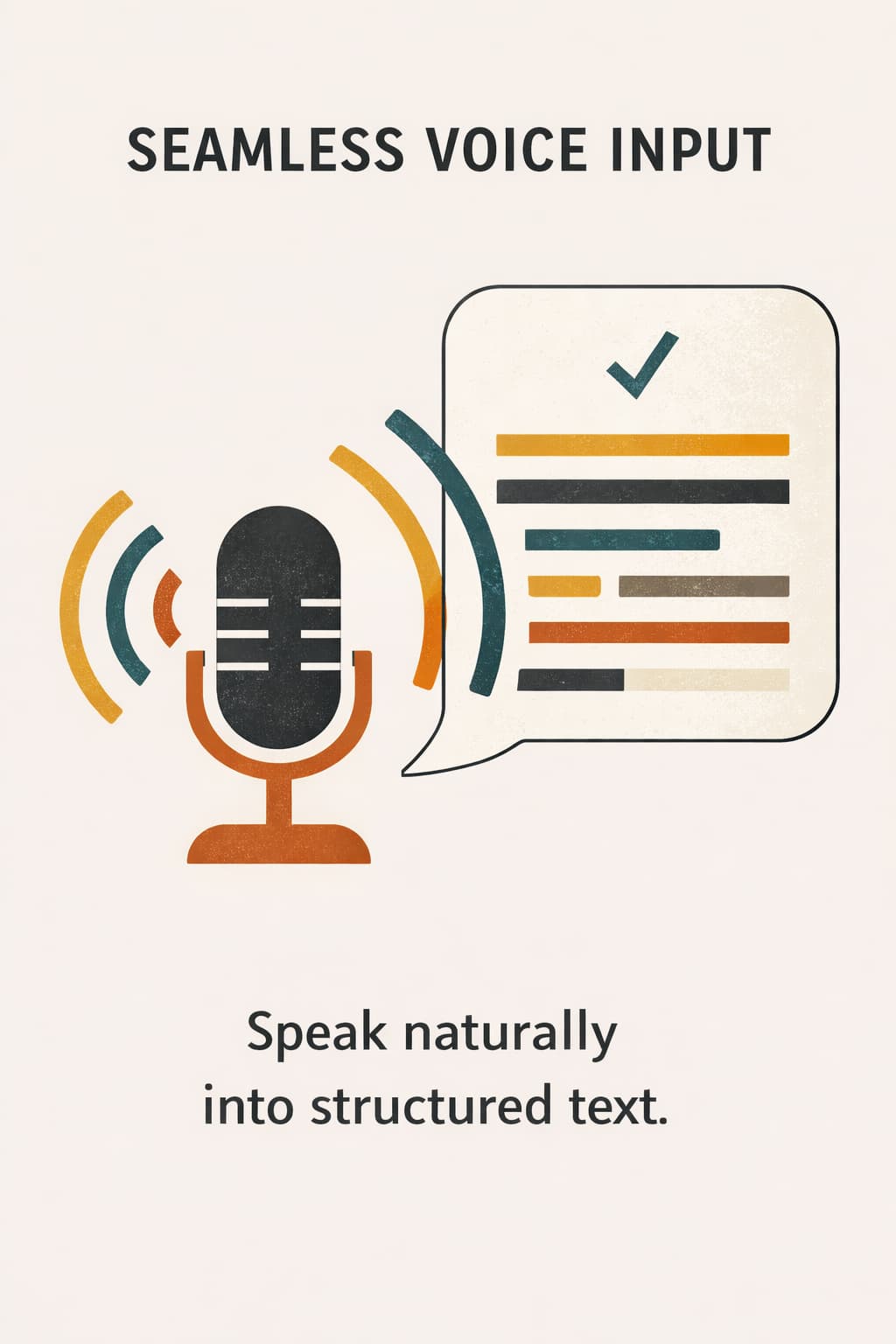
Today, however, everything has changed. Advanced LLM-powered voice input now lets you speak naturally—mixing languages and technical terms—and instantly transforms your speech into clear, structured, and even translated text. This breakthrough is not only revolutionizing how we capture our ideas but also how we communicate them.
One exciting example is the integrated dictation feature in the ChatGPT desktop client. This tool is part of a broader ecosystem that includes a range of voice-to-text solutions—from local models ensuring top-notch security, to subscription or one-time purchase options, and even dedicated apps like superWhisper and macwhisper that I’m currently testing.
Voice input is evolving from a simple tool into a dynamic, expressive medium that truly liberates our communication. Let’s embrace this exciting transformation and let our voices lead the way to faster, more engaging ideas.